
ユーザが見つかりません
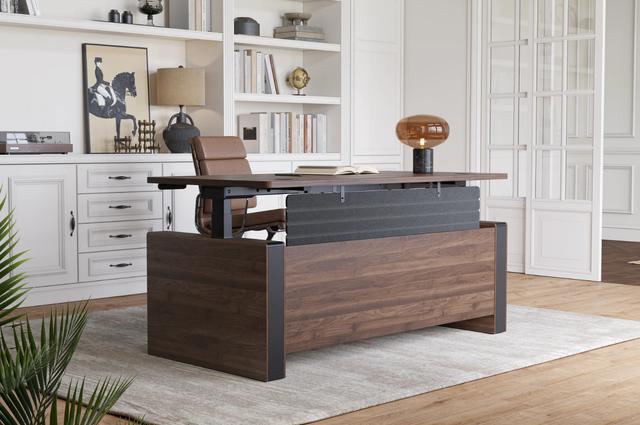
Ergonomic Work: Why an Adjustable Standing Desk Matters
Switching between sitting and standing isn't a fad — it's a deliberate, evidence-based approach to reduce strain, improve circulation, and support long-term spinal health. An adjustable standing workstation makes that switch practical, repeatable, and comfortable. In this article we'll explain the ergonomic science, share setup best practices, and walk you through buying criteria so you can choose a desk that truly helps your body and your workday.
https://www.vernalspace.com/collections/standing-desks
https://www.vernalspace.com/
https://www.vernalspace.com/products/vernal-height-adjustable-standing-desk
https://www.vernalspace.com/products/vernal-l-shaped-standing-desk
https://www.vernalspace.com/products/vernal-executive-standing-desk
https://www.vernalspace.com/products/vernal-solid-wood-standing-desk
https://www.trustpilot.com/review/vernalspace.com
Why ergonomics should be central to your workspace
Poor posture and static positions are major contributors to musculoskeletal pain. Hours hunched over a laptop compress spinal discs, weaken core stabilizers, and shorten hip flexors — a pattern that often manifests as lower-back pain and neck tension. Ergonomic interventions aim to distribute load more evenly, encourage movement, and restore neutral alignment so your body can operate with less strain. An adjustable desk is a practical tool in that toolkit: it enables small, frequent posture changes that reduce continuous stress on any single tissue.
Best Standing Desks — what separates the good from the merely attractive
When evaluating options, prioritize stability, height range, and adjustability speed. A top-rated desk won't wobble at maximum height, will reach both your ideal seated and standing elbow heights, and will move smoothly so you don't avoid using it. Extras like programmable memory, integrated cable management, and compatibility with monitor arms are practical considerations that make it easier to maintain an ergonomic setup day after day.
Sit to Stand Desk — rhythm and routine
The true benefit of a sit-to-stand approach is rhythm: short, frequent position changes. Studies and ergonomic guidance typically recommend alternating every 30–60 minutes rather than standing all day. Use simple timers or your calendar to remind you to switch. Over time your muscles, circulation, and focus respond positively to this micro-variation.
Vernal Standing Desk — brand notes and warranties
Branded models often provide clearer specifications, standard warranties, and accessible spare parts — useful for long-term performance. If you consider a specific brand, compare duty cycles, motor ratings, and the length of warranty coverage; these help predict real-world durability and comfort.
Adjustable Desks — specs that matter for ergonomics
Key specifications to check: minimum and maximum height, lift speed, load capacity, and frame rigidity. The height range determines whether the desk will accommodate both your seated elbow height and a comfortable standing position without forcing you into awkward wrist or shoulder angles. Higher load capacity is important when you use multiple monitors, docking stations, or heavy peripherals.
Electric Adjustable Standing Desk — why powered lifts improve compliance
Electric models remove friction from the behavior change. When height changes are as easy as pressing a button or recalling a preset, people change posture more often. Quiet, smooth motors with programmable presets are especially beneficial in shared environments where several users need quick, precise adjustments.
Corner Standing Desk — space planning that supports posture
Corner and L-shaped desks create dedicated zones — one for deep focus and another for reference materials or collaboration. Properly planned, they reduce twisting and reaching, which decreases cumulative stress on the lumbar spine. Make sure the corner configuration doesn't force you to keep monitors off-center or to rotate frequently; keep the primary display directly in front of you.
Standing Executive Desk — when scale meets ergonomics
Executive-style desktops offer large work surfaces and often integrated storage. For executives and managers who frequently host colleagues, the key is to preserve neutral spinal alignment while allowing space for collaboration. Large desktops should be paired with frames that minimize sagging so your monitor heights remain stable across the surface.
Solid Wood Standing Desk — pros and trade-offs
Solid wood tops provide tactile warmth, greater mass (which can help reduce wobble) and a premium look. They are heavier and can cost more, and may require more careful care. If you choose wood, ensure the supporting frame is engineered to accommodate the extra weight without sacrificing lift performance.
Vernal Desk Reviews — how to interpret user feedback
Customer reviews are valuable for spotting recurring issues (e.g., noisy motors, missing parts, or poor instructions) and confirming long-term comfort benefits reported by other users. Look for consistent themes rather than isolated comments; multiple reviewers describing improved back comfort or robust customer support are reliable signals.
Practical setup tips to maximize ergonomic benefit
Screen placement: The top of the monitor should be at or slightly below eye level, with the screen about an arm’s length away. This reduces neck flexion.
Keyboard height: When standing, your elbows should be around 90 degrees with wrists neutral. Use a keyboard tray if the desktop is too high in standing mode.
Footwear and mats: Anti-fatigue mats and supportive shoes help mitigate lower limb and low-back fatigue during standing periods.
Microbreaks: Add short walking or mobility breaks every 30–60 minutes — even 2–3 minutes of movement helps.
Seated complement: A good ergonomic chair remains essential; alternating between quality sitting and standing produces the best outcomes.
Final checklist: buy smart, set up once, benefit forever
Place stability, height range, and adjustability at the top of your selection criteria. Choose a desk that supports both your seated and standing biomechanics, and invest a few minutes in correct setup — monitor height, keyboard position, and a movement plan. Over weeks and months, many users report measurable reductions in back and neck discomfort, improved energy, and better focus. If you want product recommendations tailored to your height, equipment load, and room layout, I can help create a short shortlist and a setup guide — tell me your dimensions and daily tasks and I’ll draft options.
posted by
vernaldesk
0 comments
France pointeur laser boutique
http://www.laserfr.com/pointeur-laser-vert-5000mw-5en1.html
( http://www.laserfr.com/pointeur-laser-bleu-surpuissant-10000mw.html ) Petit lampe laser éclaire bien ,marche nickel,ce laser de poche fait son petit effet avec sa couleur vive,il faut acheter tout de suite.


 *REVOLVER


France pointeur laser boutique
http://www.laserfr.com/pointeur-laser-vert-5000mw-5en1.html
( http://www.laserfr.com/pointeur-laser-bleu-surpuissant-10000mw.html ) Petit lampe laser éclaire bien ,marche nickel,ce laser de poche fait son petit effet avec sa couleur vive,il faut acheter tout de suite.
( http://www.laserfr.com/pointeur-laser-bleu-surpuissant-10000mw.html ) Petit lampe laser éclaire bien ,marche nickel,ce laser de poche fait son petit effet avec sa couleur vive,il faut acheter tout de suite.